You Can Trust...Elder Law Firm, Rhodes Law, P.A.

Estate & Medicaid Planning • Probate • Guardianship

EXPLORE OUR LEGAL SERVICES

Elder Law Attorneys

INTRODUCING BREVARD COUNTY'S NEWEST

BOARD CERTIFIED

ELDER LAW ATTORNEY

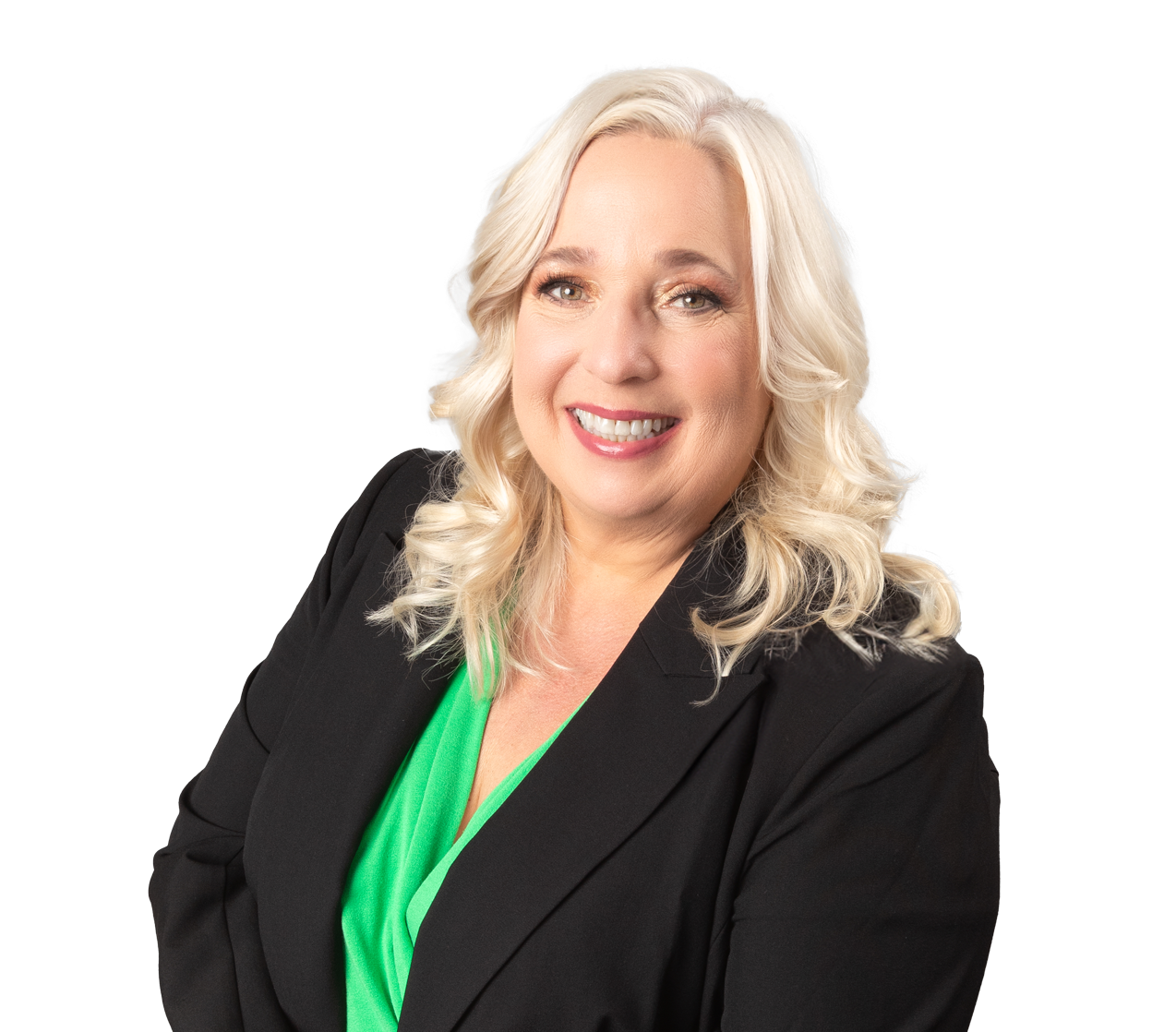
RUTH C. RHODES, ESQ.

There are 491 Board Certified Elder Law Attorneys in the State of Florida. Attorney Ruth C. Rhodes is 1 of only 2 in Brevard County.
LEARN MORE

Your Preferred Elder Law Attorneys in Melbourne, Florida

Rhodes Law can help with...

Rhodes Law, P.A. of Melbourne, FL focuses on Estate and Medicaid Planning, Asset Protection, Probate, Trust Administration, Guardianship and Guardian Advocacy.


Legal Services We Offer

With years of experience in Elder Law, the firm is proud to offer a comprehensive range of professional legal services specifically tailored to the needs of older adults and their families. Recognizing the unique challenges faced by this demographic, the team is equipped to handle various legal matters, including estate planning, guardianship, long-term care planning, and Medicaid eligibility. Their expertise ensures that clients receive not only legal counsel but also compassionate support during often-sensitive situations. By prioritizing the well-being and dignity of older adults, the firm strives to empower clients to make informed decisions about their future.


In addition to traditional Elder Law services, the firm also provides valuable resources related to health care directives and special needs trusts, addressing the diverse needs that arise as individuals age. The team understands that navigating the complex landscape of legal requirements can be daunting for families, which is why they emphasize clear communication and personalized service. By fostering strong relationships with clients, the firm seeks to build trust and provide reassurance that their loved ones are receiving the best legal advocacy possible. With a commitment to excellence in Elder Law, the firm stands ready to assist clients at every stage of life, ensuring their rights and wishes are fully protected.


With years of experience in Elder Law, we are pleased to offer a comprehensive range of professional legal services including:


Wills and Trusts 

Wills and trusts are essential legal instruments in estate planning, designed to address how an individual's assets will be managed and distributed upon their death or incapacitation. A will is a formal document that outlines a person's wishes regarding the distribution of their property, the appointment of guardians for minor children, and the execution of specific directives. Its primary function is to ensure that the deceased's assets are distributed according to their wishes, often requiring probate, a legal process that validates the will and oversees the distribution of assets. However, the probate process can be lengthy and public, potentially leading to family disputes or delays in asset distribution.


On the other hand, a trust is a more flexible arrangement that allows individuals to transfer their assets into a separate legal entity, managed by a trustee for the benefit of designated beneficiaries. Trusts can be revocable or irrevocable, with revocable trusts allowing the creator to retain control and modify the trust during their lifetime. One notable advantage of trusts is their ability to bypass probate, enabling more immediate and private distribution of assets. This can be particularly beneficial for those who wish to maintain confidentiality and minimize estate taxes, as certain types of trusts can provide tax advantages. Ultimately, both wills and trusts play a critical role in effective estate planning, accommodating differing needs and goals for asset management and distribution.


Medicaid Planning 

Medicaid planning is a strategic approach designed to help individuals and families protect their assets while ensuring eligibility for Medicaid benefits, primarily to cover long-term care costs. As healthcare expenses continue to rise, many individuals find themselves needing assistance to navigate the complexities of Medicaid eligibility rules. This planning process involves understanding both federal and state regulations, which may vary significantly, and often requires a thorough assessment of one's financial situation. By proactively arranging assets and possibly restructuring ownership, families can preserve wealth for future generations while still qualifying for the necessary healthcare benefits.


One common misconception about Medicaid planning is that it is purely about shielding assets from government scrutiny. However, it encompasses a broader perspective, including the potential need for legal and financial advice to effectively manage an individual’s estate. Techniques such as creating trusts, gifting assets, or employing spend-down strategies are often utilized to align with Medicaid’s requirements. The ultimate goal is to strike a careful balance between maintaining financial stability and gaining access to crucial medical care, ensuring that individuals can age with dignity and adequate support. Engaging in Medicaid planning well in advance of needing services can significantly enhance peace of mind for individuals and their families, ensuring they make informed decisions that align with their long-term goals.


Asset Protection

Asset protection is a crucial strategy employed by individuals and businesses to safeguard their wealth from potential risks and unforeseen liabilities. In a world where legal disputes, economic downturns, and other liabilities are commonplace, asset protection serves as a proactive measure to preserve financial stability. Professional advisors typically recommend a multifaceted approach that encompasses various strategies, including the use of legal entities such as corporations and limited liability companies (LLCs), as well as estate planning tools like trusts. By placing assets within these protective structures, individuals can effectively shield them from creditors, lawsuits, and other claims that could jeopardize their financial well-being.


Moreover, asset protection is not a one-size-fits-all solution; it requires careful planning tailored to individual circumstances and goals. Professionals emphasize the importance of a comprehensive strategy that integrates risk assessment and management. This involves not only identifying potential threats to one’s assets but also implementing measures that adjust as personal and financial situations change. For instance, someone who has recently started a business may need to adopt different protective measures compared to an individual planning for retirement. Thus, seeking guidance from experts in the field can provide a roadmap for effectively safeguarding assets while maximizing the benefits of investment and income potential. Ultimately, asset protection is about ensuring peace of mind in an uncertain world, allowing individuals and businesses to focus on growth rather than fear of loss.


Probate and Probate Litigation

Probate is a legal process that occurs after an individual passes away, aimed at settling their estate and distributing their assets according to the will or, in the absence of one, according to state laws. During probate, the appointed executor or administrator of the estate gathers the deceased's assets, pays any outstanding debts and taxes, and ultimately distributes the remaining assets to the heirs or beneficiaries. This process can be relatively straightforward or can become quite complex, depending on the size of the estate, the presence of a will, and potential disputes among heirs. The probate process typically ensures that debts are settled and the rightful heirs receive their intended inheritance, providing a structured manner for estate administration.


Probate litigation, on the other hand, refers to the disputes that arise during the probate process. This can occur for various reasons, such as challenges to the validity of a will, disagreements over asset distribution, or conflicts between executors and beneficiaries. Litigating a probate case can be a lengthy and costly endeavor, often resulting in drawn-out court proceedings. These disputes can stem from miscommunication, perceived unfair treatment, or even allegations of undue influence or fraud against the deceased. Understanding these aspects of probate and probate litigation is crucial for individuals involved in estate planning, as it highlights the importance of clear documentation and open communication among potential heirs to mitigate the risk of future legal conflicts.


Guardianship and Guardianship Litigation 

Guardianship and guardianship litigation play a crucial role in safeguarding the well-being and autonomy of individuals who may be unable to make decisions for themselves due to age, disability, or mental incapacity. Guardianship is a legal arrangement where a court appoints an individual, known as a guardian, to make personal and financial decisions on behalf of another person, referred to as the ward. This process is particularly important as it ensures that vulnerable individuals receive the care and support they require, while also providing a structured framework for their rights and interests to be protected. The court meticulously assesses each case to determine the necessity of guardianship, ensuring that the appointed guardian acts in the best interest of the ward.


Guardianship litigation, on the other hand, involves disputes related to the establishment, modification, or termination of such arrangements. This can arise from disagreements among family members, challenges to a guardian's fitness, or concerns about potential abuse or neglect. In such cases, the court is tasked with resolving these conflicts by reviewing evidence and testimony to determine the most appropriate course of action. The litigation process can be complex and emotionally charged, often requiring legal expertise to navigate the intricacies of family dynamics and state laws. Ultimately, the goal of both guardianship and its litigation is to ensure that individuals who cannot advocate for themselves receive the protection and care they need, while also preserving their dignity and rights to the greatest extent possible.


Experienced in Elder Law

When navigating the complex landscape of elder law, individuals and families often seek the guidance of experienced professionals who specialize in this niche field. Elder law encompasses a wide array of legal issues that affect senior citizens, including estate planning, guardianship, long-term care planning, and elder abuse prevention. An experienced elder law attorney understands the unique needs of aging individuals and their families, providing comprehensive support tailored to their specific circumstances. With a deep understanding of both state and federal laws, these professionals are equipped to help clients make informed decisions that safeguard their rights and assets.


An attorney specializing in elder law not only possesses expertise in legal matters but also approaches cases with compassion and empathy. They recognize the emotional challenges faced by older clients and their families, including the issues surrounding healthcare, financial stability, and the potential for diminished capacity. By offering personalized legal strategies, these attorneys help clients navigate difficult discussions about end-of-life care, financial management, and the intricacies of Medicaid and Medicare. Ultimately, an experienced elder law attorney serves as a trusted advocate, ensuring that seniors receive the dignity and respect they deserve while protecting their interests throughout the aging process.


Arrange a Free Consultation Today

The Elder Law Attorneys at Rhodes Law are dedicated to providing excellent legal advice, strategy and planning to seniors, individuals and families in our Florida community. Call our trusted team today to find out how we can help you.


Viewed as one of the best legal firms in the Melbourne area by clients, to provide families the legal help they require.

Rhodes Law, P.A. is dedicated to helping seniors, individuals and families in our community with experienced legal advice, strategy and planning.


Our Elder Law Attorneys are focused on Brevard, FL seniors delivering the best strategy and planning for Florida families.


No matter the reason for your consultation, Rhodes Law, P.A. will spend the time needed to discuss and evaluate the facts and applicable law for your situation. We will provide you with the tools you need to make educated decisions for achieving your best possible outcome.

BOOK A CONSULTATION

Satisfied Clients

quotes2Artboard 2

"I have the pleasure of working with an amazing team at Rhodes Law, P.A. Ms. Rhodes also prepared all of my estate planning and the planning for my children too! I would never trust my estate planning to anyone else!"


NICHOLETTE G.

"I am very satisfied with the professionalism and how fast they were able to handle my case. I recommend this firm to anyone who needs legal assistance."


IRIS D.

"I highly recommend Attorney Ruth Rhodes.  Very professional and very knowledgeable on all Elder Law in every situation. I have referred her many of times. I have tremendous faith and trust in Miss Rhodes. I highly recommend her to any family."


ROSE C.  COMFORTS OF HOMECARE


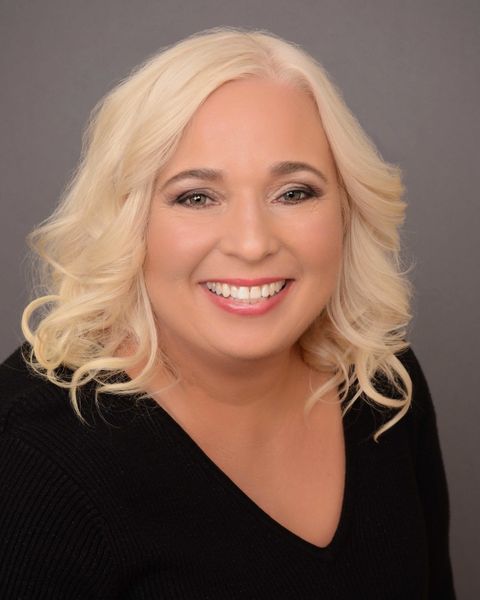
Meet Melbourne's Elder Law Attorney

Ruth C. Rhodes

Attorney Ruth C. Rhodes is the owner of Rhodes Law, P.A., a Helping Seniors of Brevard Board Member and Brevard Alzheimer’s Foundation Board Member, and a resident business at One Senior Place.


She graduated Valedictorian from the College of Law at Florida A&M University, and has more than 23 years of experience working in the legal field with more than 15 years as a practicing attorney.

READ MORE

News & Events

Visit our blog for more information on Elder Law and our upcoming events.

September 2, 2026
Most people don't think about probate until someone they love dies. Then the questions begin: Who gets the house? Who can access the bank accounts? Who pays the bills? What happens to the person's belongings? And does the family have to go to court? These are all questions that can arise during the probate process. The good news is that thoughtful estate planning can help make the process more predictable and, in some circumstances, reduce the assets that have to pass through probate. What Is Probate? Probate is the legal process for administering certain assets after someone dies. Depending on the circumstances, probate may involve: Determining whether there is a valid will Appointing a personal representative to handle the estate Identifying and gathering the deceased person's assets Paying valid debts and expenses Addressing creditor claims Distributing assets to the appropriate beneficiaries Probate isn't necessarily something to fear. It is a legal process designed to provide a framework for settling an estate. However, probate can take time, cost money, and create additional work for your loved ones—particularly when an estate has complicated assets, family disagreements, unclear beneficiary designations, or an outdated estate plan. Does Having a Will Keep My Family Out of Probate? Not necessarily. This is one of the most common misconceptions about estate planning. A will is extremely important because it allows you to state who you want to inherit your probate assets and who you want to serve as your personal representative. But a will generally does not make probate assets disappear from the probate process. For example, if a person owns a bank account solely in their name without an appropriate beneficiary designation, that account may need to be handled through probate even if the person's will says exactly who should receive it. So having a will is important—but having a will is not the same thing as having a probate-avoidance plan. How Can I Protect My Family? When people talk about "protecting" their family from probate, they may actually mean several different things. They may want to: Make it easier for loved ones to access assets after death Reduce unnecessary court involvement Make sure the right people inherit their property Protect a surviving spouse or children Avoid confusion and family disputes Keep beneficiary designations up to date Make sure their home is handled according to their wishes Reduce the cost and delay associated with settling the estate Estate planning can address these concerns. 1. Have a Properly Prepared Will A will is the foundation of many estate plans. It can identify your beneficiaries, nominate a personal representative, and provide instructions for distributing assets that are subject to the will. But don't stop at the will. 2. Review How Your Assets Are Owned How an asset is titled can be just as important as what your will says. Certain assets may pass outside probate because of the way they are owned or because they have a valid beneficiary designation. For example, certain jointly owned assets, life insurance policies, retirement accounts, and other accounts may pass directly to a surviving owner or designated beneficiary. Your estate plan should coordinate these assets with your will. 3. Keep Beneficiary Designations Current Beneficiary designations can become outdated surprisingly easily. Marriage, divorce, the birth of a child, the death of a beneficiary, or other major life changes can affect whether an old designation still reflects your wishes. Don't assume that your will automatically overrides a beneficiary designation on an account or insurance policy. Review these designations periodically and make sure they work together with the rest of your estate plan. 4. Consider Whether a Trust Makes Sense For some families, a properly created and funded trust may help keep certain assets outside the probate process. A trust isn't necessary for everyone, and simply signing a trust document isn't enough. Assets generally need to be properly transferred or otherwise coordinated with the trust for the intended benefits to apply. Whether a trust is appropriate depends on your assets, family circumstances, goals, and the type of planning you need. 5. Pay Special Attention to Your Florida Homestead For Florida homeowners, the family home deserves special attention. Florida's homestead laws contain special protections and restrictions that can affect what happens to a home after the owner's death. The outcome can depend on whether the owner is survived by a spouse, minor children, or other family members. Because Florida homestead law is different from the rules that apply to many other assets, homeowners should make sure their estate plan specifically addresses their homestead. 6. Keep Your Estate Plan Updated An estate plan isn't something you create once and forget about. Review it when there is a major change in your life, such as: Marriage or divorce Birth or adoption of a child Death of a beneficiary Significant changes in your assets Buying or selling real estate Moving to another state Changes in your wishes An outdated estate plan can create just as many problems as having no plan at all. The Goal Isn't Just to Avoid Probate Probate isn't automatically bad, and avoiding probate shouldn't be the only goal of an estate plan. The real goal is to make sure your assets are handled according to your wishes while making the process as manageable as possible for the people you leave behind. Sometimes probate is appropriate. Other times, careful planning can allow certain assets to pass outside probate. The right approach depends on your individual circumstances. Protect Your Family by Planning Ahead Your family shouldn't have to figure out your estate plan while they are grieving. Taking the time now to create and review your estate plan can give your loved ones clearer instructions and help reduce uncertainty later. A good estate plan considers more than just a will. It looks at your home, financial accounts, retirement assets, insurance policies, beneficiary designations, trusts, and family circumstances as a whole. If you live in Florida and haven't reviewed your estate plan recently, consider speaking with a qualified Florida estate-planning attorney about whether your current plan still accomplishes what you want. Help is just a phone call away. Call Ruth Rhodes at 321-610-4542 to schedule your consultation today! This article is for general informational purposes only and is not intended to provide legal advice or create an attorney-client relationship. Florida probate and estate-planning laws are fact-specific and may change.
August 27, 2026
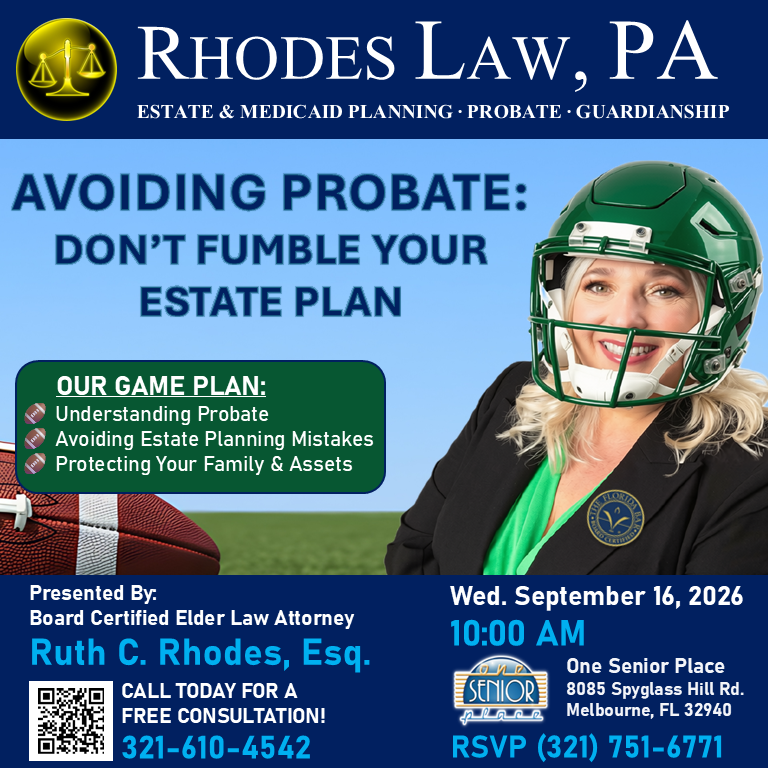
Don’t Fumble Your Estate Plan Planning ahead can help protect your family, your assets, and the legacy you’ve worked hard to build. Join Rhodes Law, P.A. for Avoiding Probate: Don’t Fumble Your Estate Plan and learn how thoughtful estate planning can help you avoid costly mistakes, minimize probate complications, and
August 4, 2026
For many people, pets are more than animals—they're family. They provide companionship, unconditional love, and emotional support through every stage of life. But while many pet owners plan for their children's future or create an estate plan for their assets, they often overlook one very important family member: their pet. If something unexpected were to happen to you, who would care for your dog, cat, bird, or other beloved companion? Pet planning ensures your pet will continue to receive the love, care, and financial support they need if you're no longer able to provide it. What Is Pet Planning? Pet planning is the process of making legal and practical arrangements for your pet's care in the event of your illness, incapacity, or death. It involves documenting your wishes, identifying a trusted caregiver, and, when appropriate, setting aside funds to help cover your pet's future expenses. Without a plan, decisions about your pet's care may be left to family members or the courts, which could lead to uncertainty or outcomes that don't reflect your wishes. Why Pet Planning Matters Your Pet Depends on You Unlike other assets, pets cannot care for themselves or communicate their needs. They rely on you for food, shelter, medical care, and companionship. Having a plan in place helps ensure they continue receiving consistent care if your circumstances suddenly change. Life Can Be Unpredictable Accidents, serious illness, disability, or unexpected death can happen at any time. A pet plan prepares for the unexpected and provides guidance during what may already be a stressful time for your loved ones. It Reduces Stress for Family Members When no instructions are left behind, family members may have to make difficult decisions about your pet's future while coping with their own emotions. A clear plan identifies your preferred caregiver and outlines your pet's daily routine, helping ease uncertainty and reduce conflict. What Should a Pet Plan Include? A thoughtful pet plan typically addresses several key areas. Choose a Caregiver Select someone you trust who is willing and able to care for your pet. Before naming them, have an honest conversation to ensure they understand the responsibility and are comfortable accepting it. It's also wise to name an alternate caregiver in case your first choice is unable to help. Provide Financial Support Caring for a pet can be expensive. Food, veterinary visits, medications, grooming, boarding, and emergency care all add up over time. Depending on your circumstances, you may choose to: Leave money specifically for your pet's care Include provisions in your will Establish a pet trust where permitted by law Designate funds through another estate planning strategy An estate planning attorney can help determine the option that best fits your goals and the laws in your state. Document Your Pet's Needs Provide detailed information that will help your caregiver maintain your pet's quality of life, including: Feeding schedule and dietary preferences Medications and medical history Veterinary contact information Vaccination records Exercise routine Behavioral quirks or anxieties Favorite toys, treats, and activities Grooming needs Microchip information The more information you provide, the easier the transition will be for both your caregiver and your pet. Keep Identification Current Ensure your pet always wears current identification tags and that the contact information associated with their microchip is accurate. Consider carrying a wallet card indicating that you have pets at home who would need immediate care in an emergency. Don't Forget Senior or Special-Needs Pets Older pets or those with chronic medical conditions often require additional care and ongoing treatment. If your pet has specialized needs, include detailed medical instructions and estimated care costs so your caregiver is fully prepared. Review Your Plan Regularly Life changes, and your pet plan should evolve with it. Review your arrangements after major life events such as moving, marriage, divorce, the adoption of a new pet, or changes in your designated caregiver's circumstances. Regular updates help ensure your plan remains practical and reflects your current wishes. Peace of Mind for You—and Protection for Your Pet Creating a pet plan isn't just about preparing for the unexpected—it's about ensuring your loyal companion continues to receive the care, love, and stability they deserve. By taking the time to choose a trusted caregiver, document your wishes, and make financial arrangements, you're giving your pet the best possible chance at a secure future, no matter what life brings. Start Planning Today Your pet has always depended on you. Pet planning is one more way to honor that bond by protecting their future when they need it most. If you're creating or updating your estate plan, talk with an experienced estate planning attorney about including provisions for your pet. A little planning today can provide lasting peace of mind for both you and your four-legged family member. Call Rhodes Law, P.A. at 321-610-4542 to set up a consultation today. We tailor every pet estate plan to meet your specific needs, ensuring your pet continues to receive the love and care they deserve!
July 30, 2026
Weather the Storm with Confidence: The Importance of Estate Planning
Show More